Hugo Schmitt · 1 September 2026
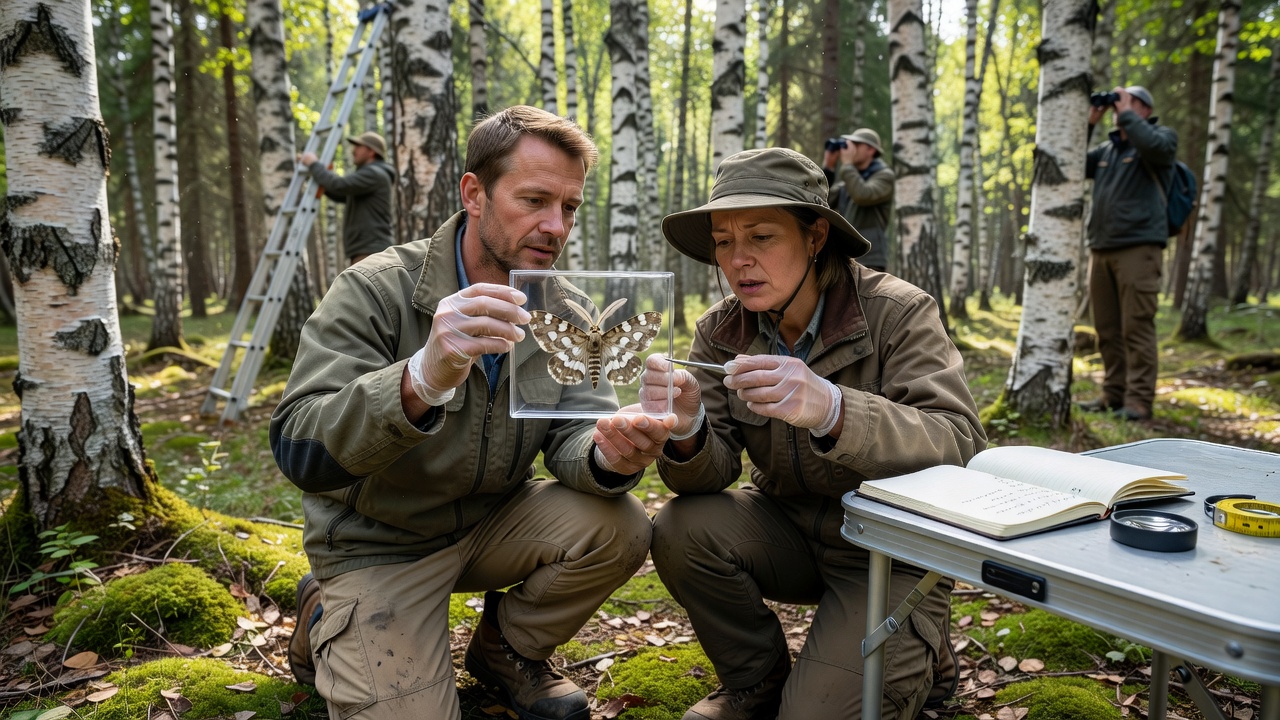
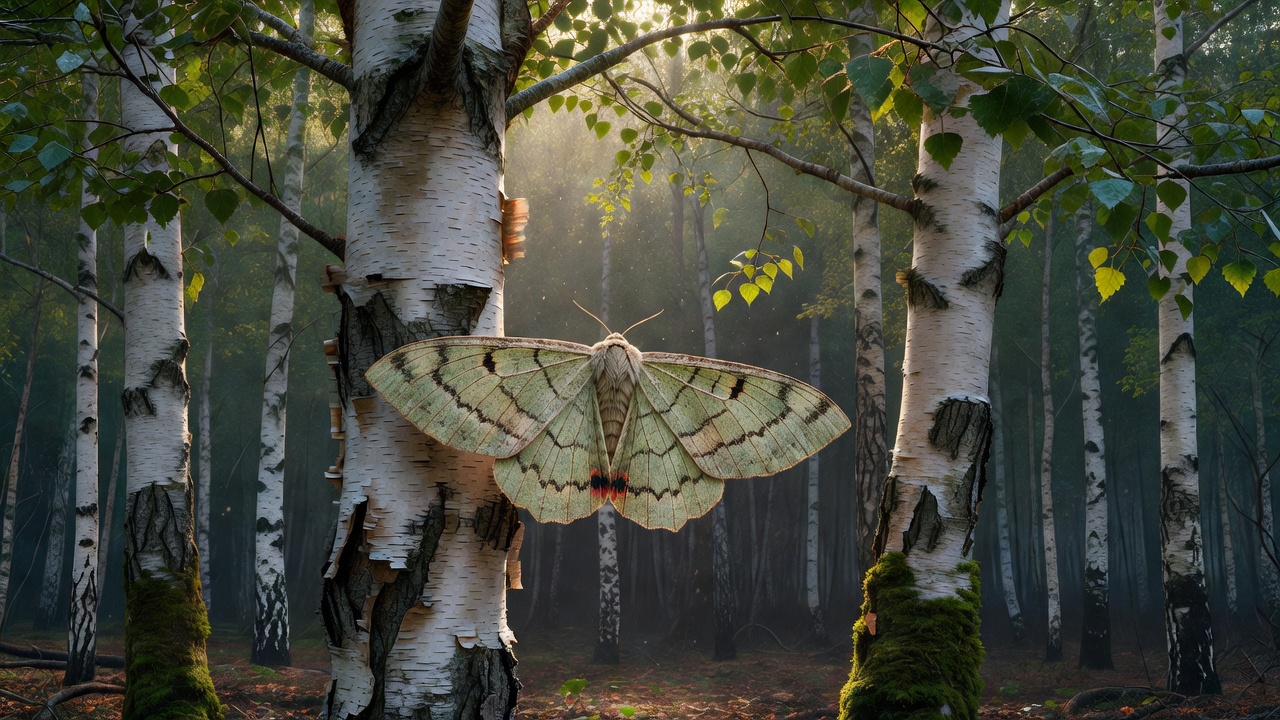
Entomologists working with Birch Grove Conservation have confirmed the rediscovery of a rare moth species within the local birch canopy. The Silver-spotted Birch Moth, last documented in the region during the 1970s, was observed during systematic surveys of mature birch stands. Its return signals positive outcomes from decades of targeted habitat management and reduced pesticide use in surrounding areas.
Survey Findings and Identification
Field teams deployed ultraviolet light traps at various canopy heights over several nights in late summer. Multiple adult moths were captured and examined, revealing the characteristic silver wing spots and subtle green tint that distinguish this species from common relatives. Larval surveys later confirmed feeding activity on birch foliage, with caterpillars showing the expected preference for shaded, moist leaves. Genetic samples matched historical records, eliminating any possibility of misidentification with similar European moths. Weather records indicate that recent milder winters and increased birch leaf density likely supported larval survival rates. Local volunteers assisted in data collection, contributing observations that refined trap placement and timing.
Further monitoring revealed small breeding clusters in three separate groves, suggesting an expanding population rather than isolated individuals. Researchers documented mating behavior and egg-laying patterns unique to this moth, providing new ecological insights. These findings will inform updated distribution maps for regional biodiversity databases.
Conservation Implications
The rediscovery reinforces the value of preserving old-growth birch habitats against development pressures. Conservation plans now include expanded buffer zones around key groves and annual moth population counts using non-invasive methods. Educational outreach will highlight the moth's role as an indicator of forest health, encouraging community reporting of sightings. Ongoing studies examine potential risks from climate shifts and invasive insects that could affect birch trees. Partnerships with academic institutions will continue to support long-term research into canopy ecosystems and their dependent species.