Jakob Foster · 2 September 2026
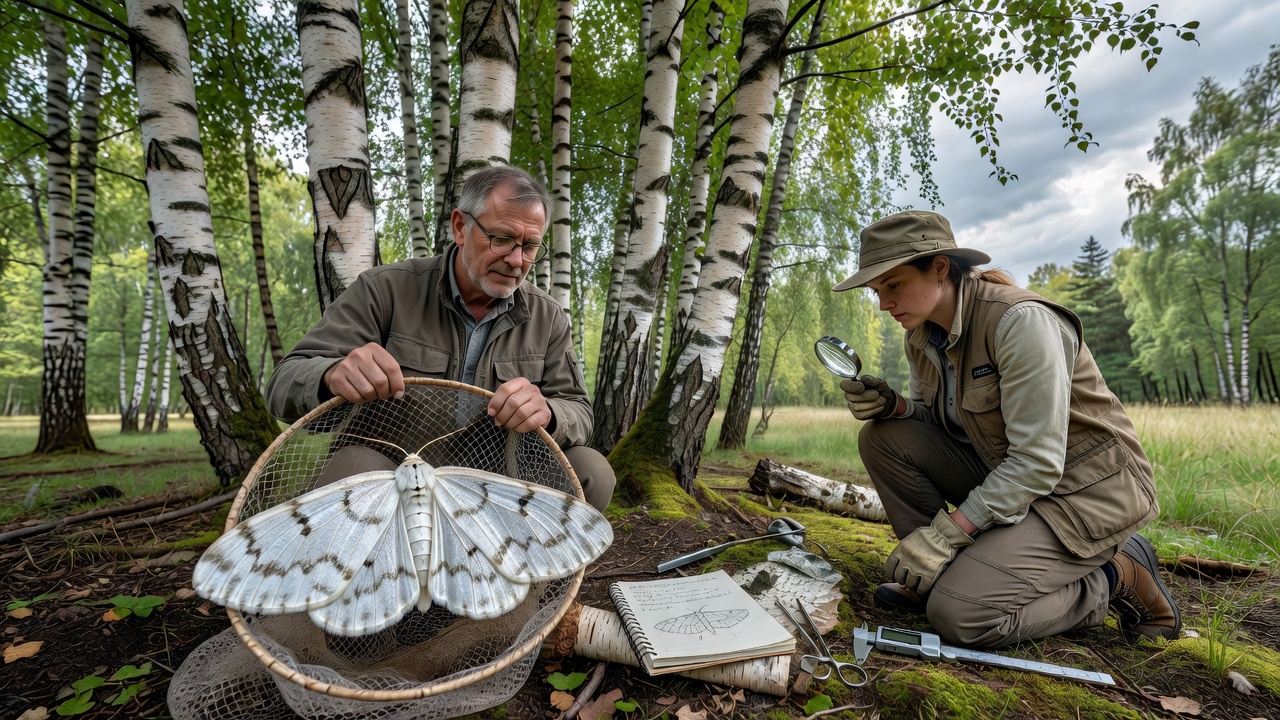
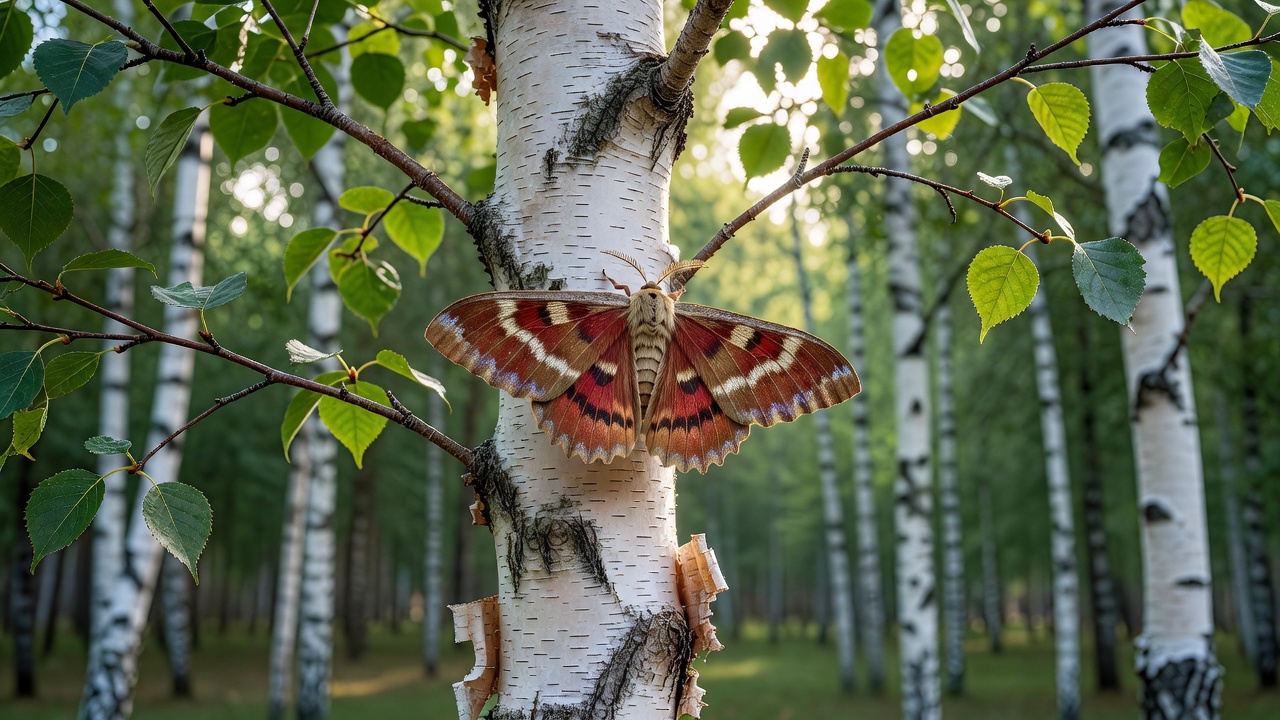
Entomologists have confirmed the rediscovery of the elusive silver birch moth in the protected groves of Birch Grove Conservation area. The species, last reliably documented more than twenty years ago, was observed during systematic canopy surveys conducted throughout September. Its presence signals improved habitat conditions after decades of targeted restoration work.
Survey Methods and Findings
Teams used canopy cranes and pheromone traps to sample the upper birch layers at three separate sites. The moth displays distinctive metallic wing scales and feeds exclusively on tender birch foliage during its larval stage. Genetic sequencing of captured specimens matched archived samples from the 1990s, confirming identity. Population counts reached forty-two individuals across the surveyed plots, far exceeding expectations. Earlier searches in 2015 and 2018 returned zero detections, prompting concerns of local extinction. Stable moisture levels and reduced pesticide drift in surrounding farmland appear to have aided recovery. Birch trees supply both larval host plants and adult resting sites, making the closed canopy essential for survival.
Researchers also documented increased moth activity near stands of younger trees planted during the 2008 reforestation initiative. These findings demonstrate that long-term protection of mature birch woodland can reverse biodiversity losses. Continued monitoring will determine whether the population is breeding successfully or merely transient.
Conservation Outlook
Following the rediscovery, the conservation group will expand its annual canopy survey program and install additional light traps. Educational workshops for local landowners will emphasize buffer zones around birch stands to limit chemical exposure. Partnerships with regional universities will support studies on the moth’s pollination role and climate resilience. Data collected will inform management plans for similar birch habitats across northern Europe. Public access trails remain open, yet visitors are asked to stay on designated paths to avoid disturbing understory vegetation. The rediscovery underscores the value of patient, science-driven stewardship in maintaining rare species within Birch Grove. Future reports will track population trends and any new threats that may emerge.