Dana Vogel · 1 September 2026
The municipal authorities have enacted a groundbreaking zoning law designed to enhance protections for Birkehain, a critical conservation area dedicated to preserving native birch groves and associated ecosystems. Effective immediately, the legislation broadens the designated protection perimeter surrounding the site, responding to concerns over habitat fragmentation and urban sprawl.
Key Elements of the Zoning Reform
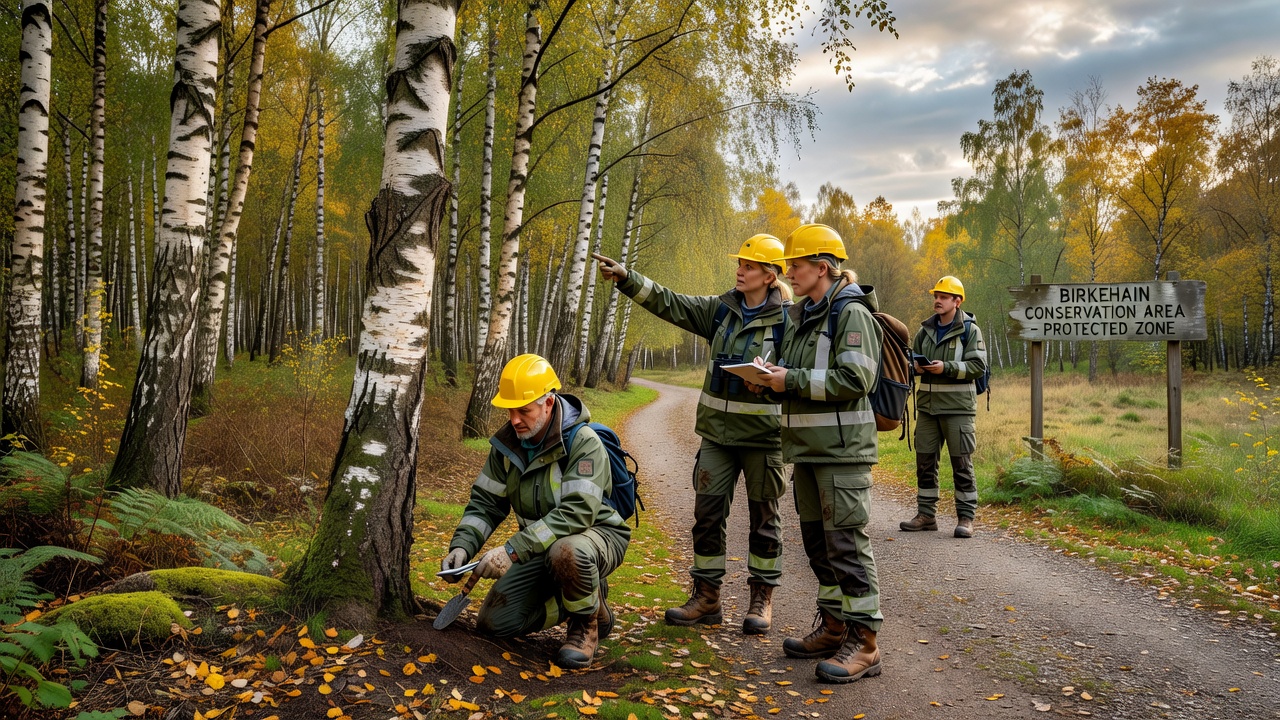
Under the new regulations, the buffer zone has been extended from its previous 200 meters to a full kilometer in all directions. This expansion prohibits new residential or commercial constructions within the enlarged area, while permitting only limited agricultural activities that adhere to strict environmental standards. Additionally, the law mandates the creation of wildlife corridors to facilitate movement of species between Birkehain and adjacent natural habitats. Local officials cited studies showing increased pressure from nearby developments as the primary motivation for these changes. Enforcement will involve regular patrols and satellite monitoring to ensure compliance. Community stakeholders, including conservation groups and residents, have largely welcomed the initiative. The Birch Grove Conservation Society played a pivotal role in advocating for the reforms through public hearings and petitions. Environmental impact assessments were conducted prior to approval, highlighting potential risks to water sources and flora diversity if no action was taken.
Expected Outcomes for Ecology and Education
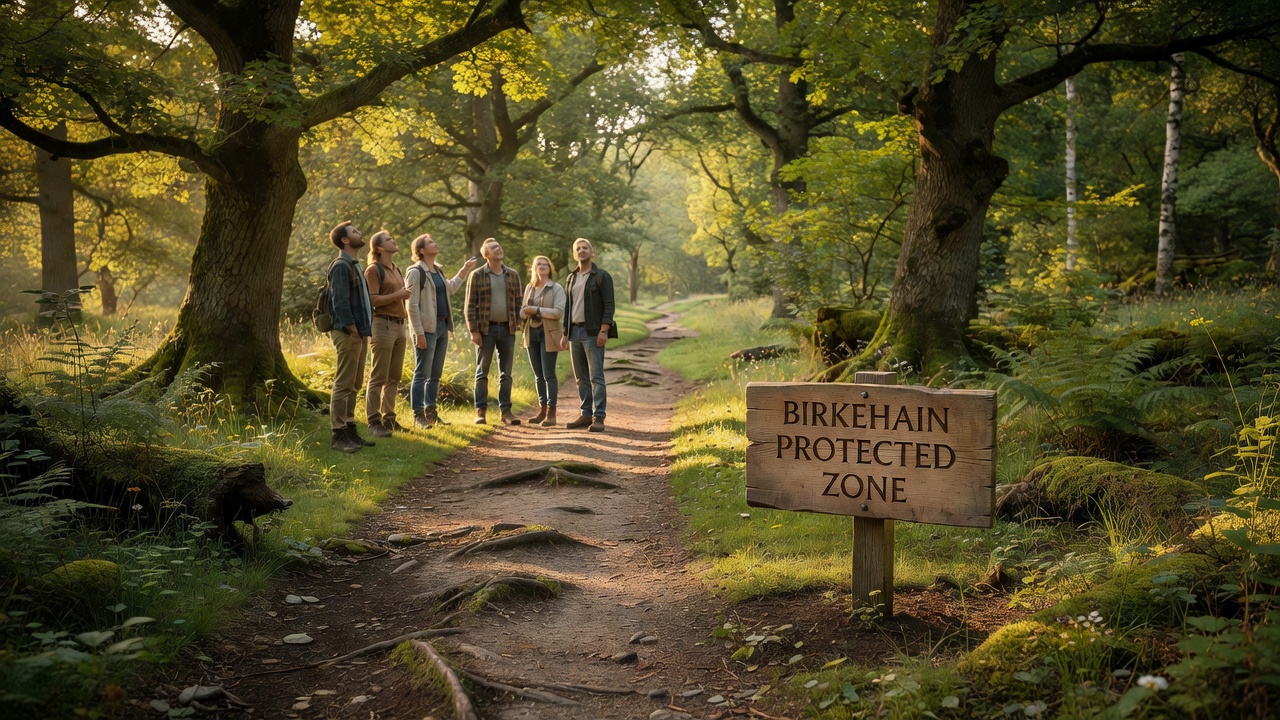
Experts anticipate that the expanded protections will bolster biodiversity by reducing edge effects and preserving soil moisture levels essential for birch tree health. Rare bird species and small mammals are expected to thrive in the undisturbed zones. Furthermore, the law includes provisions for enhanced public access trails that promote educational programs without compromising the core conservation objectives. Long-term monitoring programs will track changes in vegetation cover and water quality over the next decade. This proactive approach sets a precedent for other conservation sites facing similar developmental threats, emphasizing the balance between growth and environmental stewardship. Additional funding has been allocated for restoration projects within the buffer zones, including invasive species removal and native planting initiatives. Public workshops will be organized to educate locals on sustainable practices that support the conservation goals.