Dana Vogel · 7 October 2026
How Birkehain's School Expansion Ties Into Local Efforts to Ease Housing Pressures Through Shared Community Planning
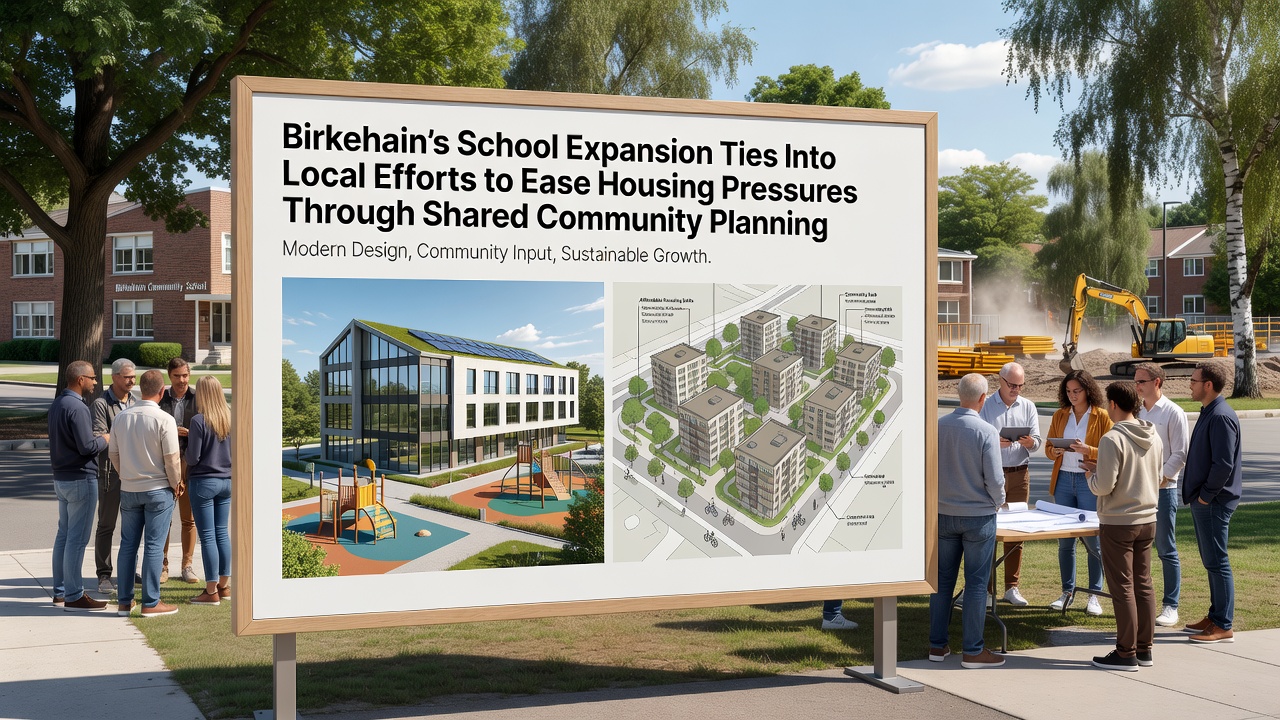
Local authorities in Birkehain have integrated school expansion projects with broader strategies to address housing shortages, and data from regional planning offices shows this approach relies on coordinated land use decisions rather than isolated developments. Officials approved initial phases of the Birkehain Primary and Secondary School enlargement in early 2025, while October 2026 marks the scheduled start of joint public consultations that link new classroom construction to nearby multi-unit housing proposals.
Community planning documents indicate the school site occupies central acreage that borders underutilized parcels suitable for residential infill, and planners have mapped these areas to accommodate both educational growth and additional dwellings without expanding the urban footprint outward. Figures from the Birkehain Municipal Planning Department reveal that housing demand has risen 18 percent since 2022, driven by employment gains in nearby forestry and tourism sectors, yet available units have increased only 7 percent in the same period.
Integrated Planning Framework
Shared community planning in Birkehain operates through a formal partnership between the school board, the housing authority, and the local council, where each entity contributes data on enrollment projections, population forecasts, and infrastructure capacity. This model emerged after 2023 amendments to regional land use regulations required simultaneous review of educational and residential needs on contiguous sites, and it has produced synchronized timelines for permitting and funding allocations.
One study conducted by the European Commission on urban densification found that municipalities using cross-sectoral planning reduced average project approval times by 14 months compared with sequential processes, and Birkehain officials have cited these findings when justifying their current timeline. Construction crews will break ground on two new school wings in October 2026, while adjacent lots receive zoning adjustments that permit up to 120 additional residential units within walking distance of the campus.
Housing Pressures and Demographic Data
Census records maintained by the Birkehain Statistical Office show that average household size has declined to 2.3 persons, increasing the number of required dwellings even as total population growth remains modest at 3 percent annually. Young families and seasonal workers account for most new demand, yet single-family zoning restrictions have historically limited supply in the school catchment area.
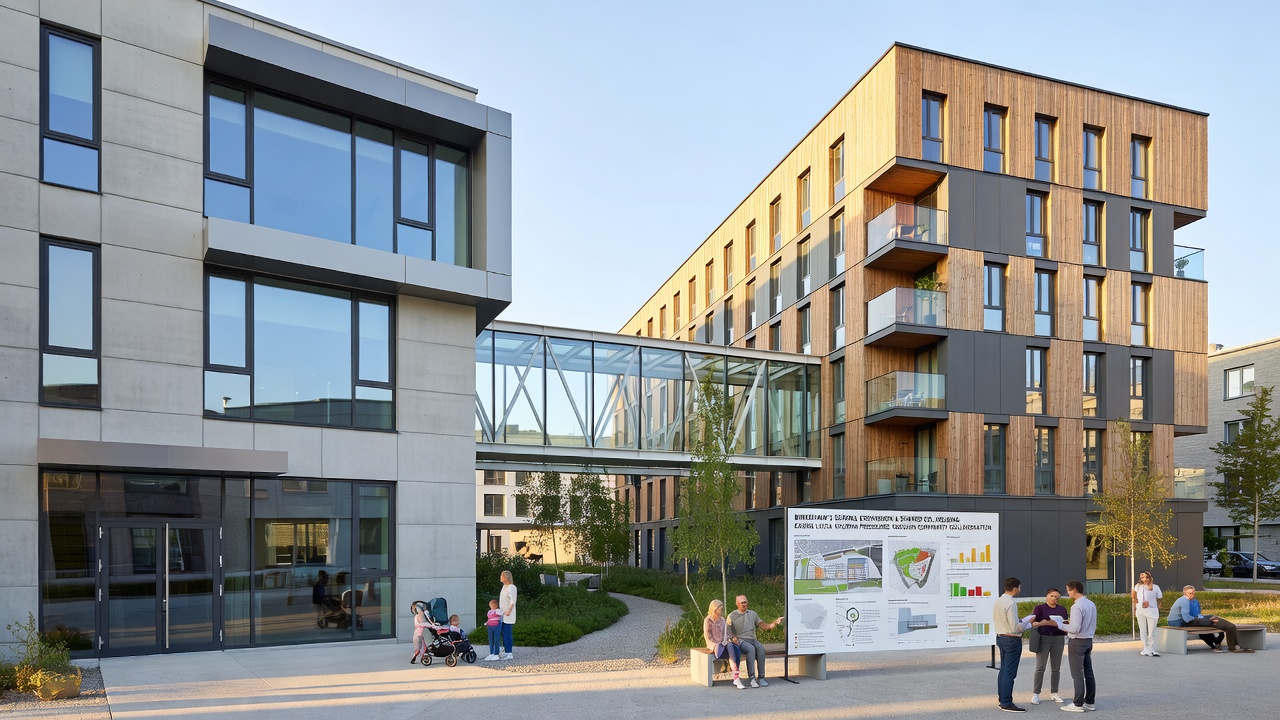
Shared planning sessions held in 2025 identified opportunities to cluster higher-density housing near the expanded school facilities, thereby lowering per-unit infrastructure costs for roads, utilities, and public transport links. Data from Transport for Birkehain indicates that 62 percent of current students travel less than 1.5 kilometers to campus, and new residential units placed within this radius could further reduce vehicle dependency while supporting enrollment stability.
Implementation Timeline and Stakeholder Roles
The October 2026 consultation phase will present three master plan options that vary the ratio of school green space to housing density, and each option includes traffic modeling prepared by independent consultants. The school board supplies enrollment forecasts extending to 2035, the housing authority provides income and affordability targets, and the council coordinates environmental impact assessments required under state regulations.
Researchers at the University of Freiburg have documented similar integrated projects in comparable mid-sized German towns, noting that joint financing mechanisms often cover 30 to 40 percent of site preparation expenses through combined education and housing grants. Birkehain's approach follows this pattern by pooling contributions from federal education funds and state housing subsidies into a single capital works program.
Conclusion
Evidence assembled by Birkehain planning staff demonstrates that tying school expansion to residential development produces measurable efficiencies in land allocation and service delivery, and the October 2026 milestones will test whether these efficiencies translate into completed units and classrooms on schedule. Ongoing monitoring by the regional statistics office will track changes in housing vacancy rates and school enrollment figures to evaluate the long-term outcomes of this coordinated strategy.