Uma Klein · 31 August 2026
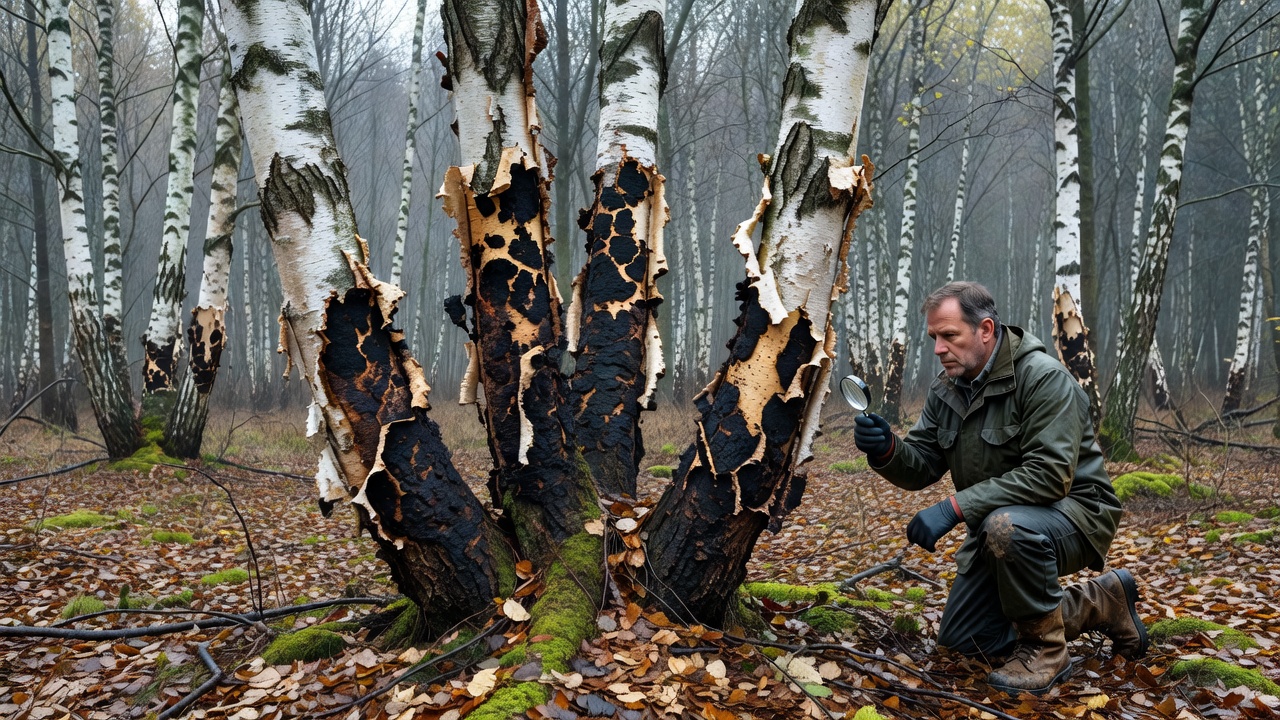
A previously undocumented fungal pathogen has begun spreading rapidly through the birch stands of Birkehain, raising urgent concerns among conservation biologists. The outbreak, first detected in late spring, affects mature Betula pendula and Betula pubescens trees across multiple groves. Infected specimens display progressive crown dieback, dark cankers on the bark, and premature leaf drop, leading to reduced photosynthetic capacity and eventual tree mortality within two to three growing seasons.
Pathogen Identification and Spread
Researchers from the regional forestry institute isolated the causal agent, tentatively named Neonectria birkeana, from symptomatic tissue samples. Genetic sequencing indicates the fungus is closely related to known canker pathogens but possesses unique virulence factors that allow it to overcome the natural defenses of local birch populations. Spore dispersal occurs primarily via wind and rain splash, with peak infection periods coinciding with mild, wet weather in early summer. Soil moisture levels above 60 percent further facilitate root-to-root transmission, accelerating the disease front by an estimated 150 meters per month. Monitoring plots established in June now show 18 percent of surveyed trees exhibiting at least one diagnostic symptom, a figure that has doubled in six weeks.
Conservation Measures and Outlook
Conservation teams have implemented immediate sanitation protocols, including removal of heavily infected individuals and application of targeted fungicide drenches around high-value heritage trees. Public access to the most affected groves has been restricted to limit mechanical spread by visitors. Parallel trials are underway to identify resistant birch genotypes for future replanting, drawing on seed collections from unaffected stands in neighboring valleys. While these interventions may slow the epidemic, experts caution that complete eradication is unlikely given the pathogen’s environmental persistence. Long-term management will require sustained funding for surveillance, selective breeding, and habitat diversification to reduce monoculture vulnerability. Without coordinated regional action, projections indicate up to 40 percent loss of mature birch canopy within five years, altering forest structure and associated biodiversity in Birkehain.