Hugo Becker · 31 August 2026
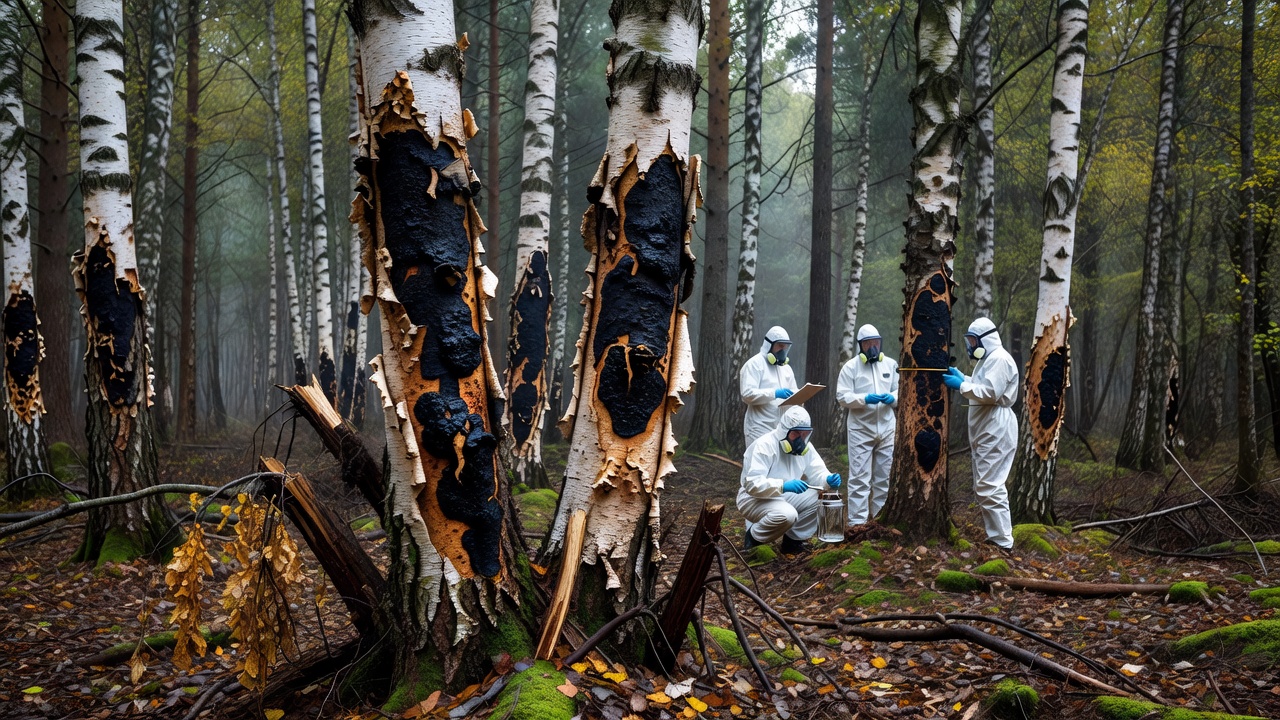
The birch groves of Birkehain are facing a serious threat from a fungal pathogen that has recently been identified in several stands. Experts from the conservation society have noted unusual lesions on the bark of mature birch trees, leading to concerns about widespread decline. This situation requires immediate attention to preserve the ecological balance of the area. Historical records show that birch trees in this region have faced various challenges in the past but this particular fungus appears more aggressive based on initial observations by field researchers.
Characteristics of the Outbreak
The fungus, tentatively identified as a variant of Armillaria species, spreads through root systems and can remain dormant in soil for years. In Birkehain, affected areas show a mortality rate of up to 30 percent in infected zones. This outbreak is exacerbated by recent climate conditions including prolonged wet periods that favor fungal growth. Local wildlife dependent on birch habitats, such as certain bird species and insects, may see population impacts if the trees continue to die off. Monitoring programs have been intensified to map the extent of the infection across the 500 hectare reserve. Scientists are also studying the genetic makeup of the pathogen to understand its origins and potential mutations that could affect other tree species in the vicinity.
Management Strategies Implemented
Conservation teams are employing a combination of removal of infected trees and application of biological controls to limit further spread. Public access to certain trails has been restricted to prevent human vectors from carrying spores. Research partnerships with universities are underway to develop resistant birch strains for replanting efforts. Funding from environmental grants is supporting these initiatives, with hopes of containing the outbreak within the next two years. Regular updates will be provided to the community as data is collected from ongoing surveys. Additional measures include soil treatment in high risk areas and educational workshops for volunteers involved in the conservation work. The long term goal is to restore the birch stands to their previous health and ensure the sustainability of the grove for future generations. Community involvement is encouraged through citizen science programs where locals can report sightings of affected trees.